As the world works toward protecting 30% of the planet by 2030, we must ask: What if some of the most powerful conservation tools are already being practiced—just not formally recognized?
In Melanesia, the Tambu (also spelled Taboo or Tapu) system offers a powerful, time-tested model for sustainable living. These systems govern access to places or resources based on cultural or spiritual customs. For example, a reef might be closed to fishing following the death of a chief, remaining off-limits during a period of mourning and cultural protocol, and only reopened either to prepare for the funeral feast or after it has taken place. The result? Fish populations have time to recover and replenish.
These are not just restrictions. They are relational ethics—rooted in the belief that land, water, and species are kin. In many cases, they produce the same outcomes as modern protected areas. Globally, such practices are now being recognized under the Convention on Biological Diversity (CBD) as Other Effective Area-Based Conservation Measures (OECMs). These are areas that achieve long-term conservation outcomes even if they are not officially designated as protected areas.
Listening to the Land Along the Kikori River
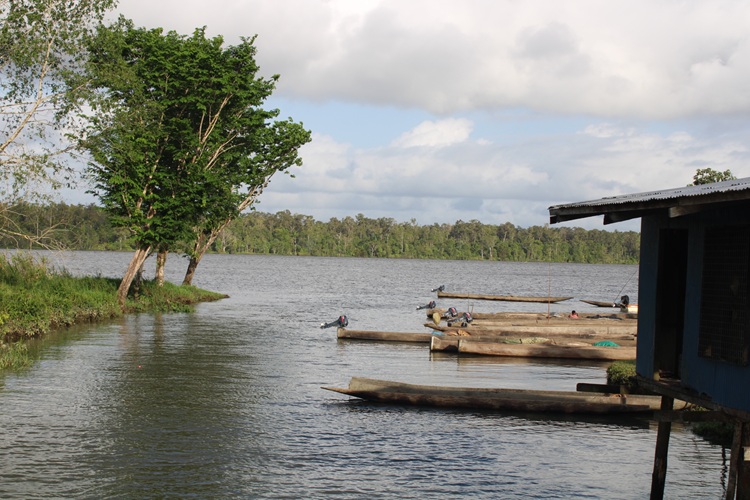
At the Piku Biodiversity Network, our work in the Kikori River delta has been a journey of learning and unlearning. Through bioculture—a framework that values the interconnectedness of biodiversity and culture—we have listened to elders, witnessed ritual practices, and sat with the wisdom of stories passed down through generations.
We’ve seen firsthand how Kastom, or traditional Melanesian custom, shapes how people engage with nature. In Kerewo communities, for example, some women abstain from eating turtles while their children are crawling—a belief that the child will not learn to walk if the taboo is broken. Others believe women of lighter skin should not step on turtle nesting beaches, lest the turtles never return. These are not conservation laws in a Western sense—but they produce real, protective outcomes for a species deeply embedded in local life.
When such practices are respected and supported—not replaced—they offer culturally grounded pathways to sustainability. They show us that conservation doesn’t always look like a fence, a permit, or a government decree. Sometimes, it looks like silence, waiting, and reverence.
Toward a New Conservation Future
The global conservation movement is slowly waking up to what Indigenous communities have known for centuries: Nature flourishes where people care, and where care is bound by custom, story, and responsibility.
Recognizing Tambu areas as OECMs is more than a policy shift. It’s a chance to reframe conservation from something that is done to communities to something that grows with them—from inside their worldviews, languages, and ways of life.
Tambu is not just about restriction. It is about relationship, respect, and regeneration. When we understand that the mountain is alive, and the reef speaks, we begin to see conservation not as a task—but as a way of being.
Learn more about our bioculture work and how you can support community-led conservation at www.pikubionet.org.pg.